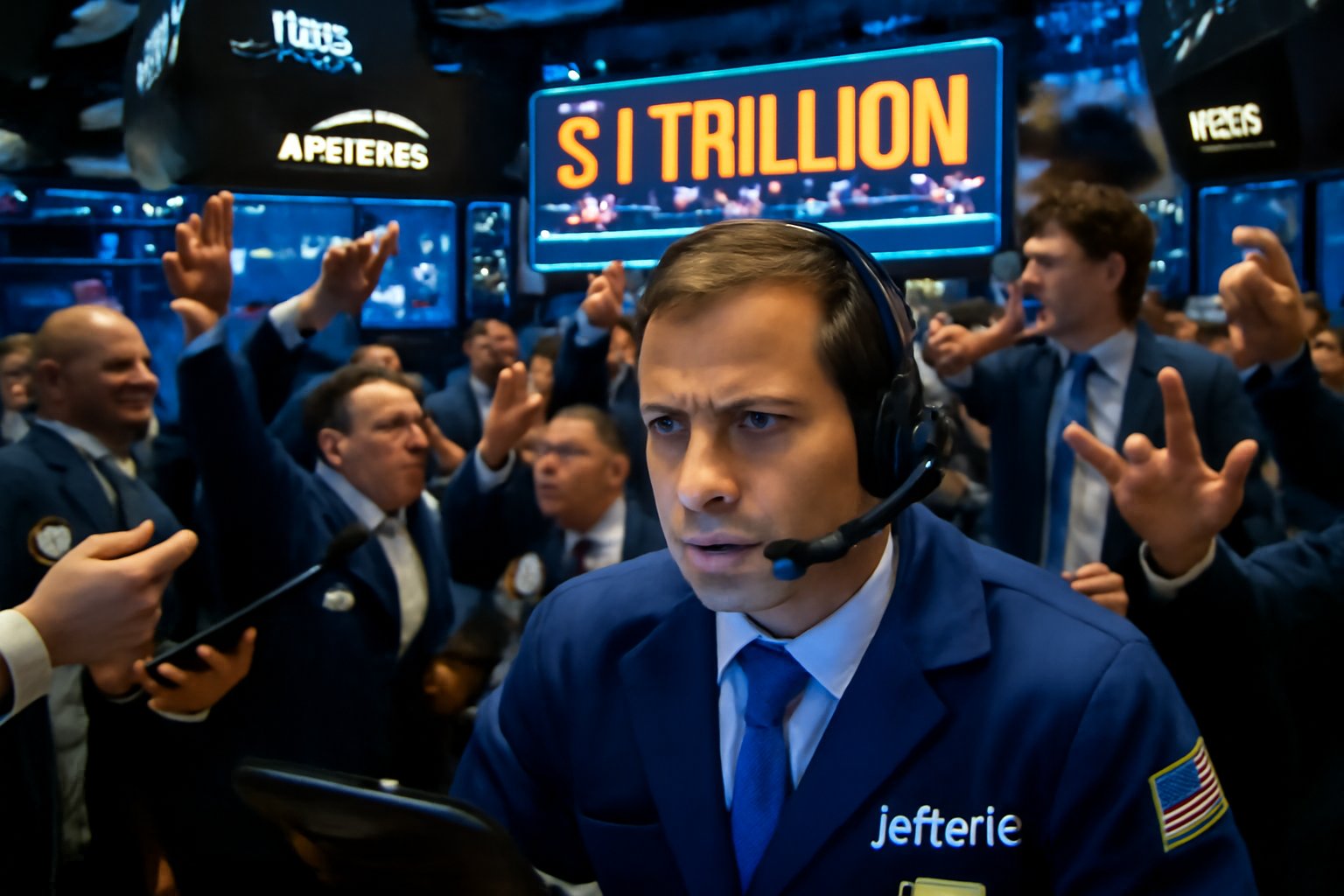
Jefferies reports record Q3 revenue as global M&A activity hits $1 trillion, driven by increased dealmaking, trading, and significant transactions like the $55 billion Electronic Arts deal.
US pending home sales surged 4% in August, hitting a five-month high due to eased mortgage rates, signaling potential recovery in the housing market amid ongoing price slowdown.
Global central banks are adopting varied interest rate strategies amid 2025's economic uncertainty. Brazil remains cautious, ECB weighs risks, while the Federal Reserve considers potential cuts.
Central bank leaders express cautious optimism on inflation risks. ECB and Fed highlight economic resilience and readiness to adjust policies as needed by 2025.
Bank of Japan's shift in leadership suggests potential rate hikes amid declining bond demand and rising inflation, indicating a shift from dovish to hawkish policies.
Ethiopia enters confidential talks with global creditors to restructure a $1 billion bond amid default, while Ambipar faces debt challenges in Brazil, reflecting wider emerging market distress.
Francesco Acquaroli takes lead in Marche's local election, signaling potential shifts in Italian politics. This comes as Italy plans new EU deficit cap strategies.
Eric Adams quits the NYC mayoral race amid Trump's federal funding threats and political maneuvering. Zohran Mamdani's candidacy gains traction, reshaping election dynamics.
Beta Technologies, a Vermont-based electric aircraft firm, plans a U.S. IPO. Despite rising losses, revenue is growing, signaling an ambitious push into sustainable aviation.
Israel's central bank maintains a 4.5% interest rate amidst the Gaza conflict, reflecting economic caution. Meanwhile, leaders propose a peace plan aiming to resolve tensions.
Israeli currency surged following Trump's introduction of a 20-point Gaza peace plan with Netanyahu, aiming to end the conflict and boost economic stability.
The Swiss National Bank intervenes in currency markets, selling billions of francs to stabilize its value amid U.S. tariff-induced pressure, aiming to maintain economic stability.